
Tests & assessment · Children, young people and adults
Dyslexia assessment in English, in Copenhagen
Many parents know the picture: reading is slow and tiring, spelling never quite settles, and a bright child dreads reading aloud. Many adults know it too, after years of working twice as hard with text. A dyslexia assessment shows whether dyslexia is the explanation, where the strengths lie, and which support will make a difference at school, in further education or at work. At EGOLAB the assessment is carried out in English or Spanish by psychologist Pilar Lozada at our clinic in central Copenhagen.
Children from age 7, young people and adults · Written report with recommendations · No referral needed
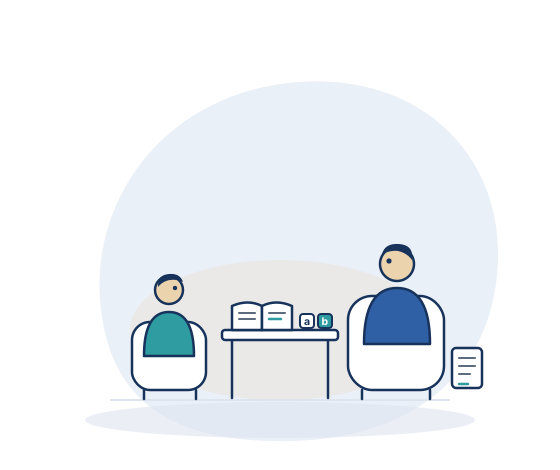
What is it?
What is dyslexia?
Dyslexia is a specific learning difficulty that affects reading and spelling. The International Dyslexia Association describes it as neurobiological in origin, with difficulties in accurate or fluent word reading, poor spelling and problems with decoding, that is, turning letters into sounds and sounds into words. The root is usually a weakness in phonological processing, the brain's handling of the sounds in language, rather than any problem with sight, hearing, effort or intelligence.
Most estimates put dyslexia somewhere between 5 and 10 percent of the population, and it runs in families. Studies find that roughly four in ten children with a dyslexic parent or sibling develop dyslexia themselves, against about one in ten without a family history. It often occurs alongside attention difficulties or difficulties with maths, which is one reason a thorough assessment looks wider than reading alone.
Dyslexia is lifelong, but its effects can be reduced considerably. Explicit, structured teaching of the links between sounds and letters works, and the earlier it starts the better. Technology takes much of the daily strain out of reading and writing. Many dyslexic people also have real strengths in reasoning, creativity and seeing the big picture, and a good assessment brings those out as clearly as the difficulties.
In brief
- Who: children from around age 7, young people and adults
- Language: English or Spanish, with the report in English
- Where: our clinic in central Copenhagen; the first conversation and the feedback can be online
- Testing: around two to three hours, in one or two visits
- Result: a written report with a conclusion and concrete recommendations
- Referral: not needed
Signs
Signs of dyslexia at different ages
Dyslexia looks different at different ages, and no single sign proves it. What matters is a pattern that persists despite good teaching and real effort. Reversing letters such as b and d is common in all young children and is not in itself a sign.
Early years (5 to 7)
Slow to learn letter names and sounds, difficulty with rhymes and clapping out syllables, trouble remembering sequences such as the alphabet or the days of the week, and a growing reluctance to look at books.
Primary school (7 to 11)
Reading that stays slow and effortful, guessing words from the first letter, spelling the same word several ways, difficulty copying from the board, tiring quickly with written work, and a child who seems bright in conversation but struggles on paper.
Secondary school and students
Slow reading and note-taking, spelling errors despite effort, trouble with foreign languages, difficulty organising longer written work and remembering instructions, and confidence that starts to slide.
Adults
Reading slowly or avoiding reading and writing tasks, difficulty remembering what was just read, poor spelling, mixing up dates, times and appointments, and often a long history of working harder than others for the same result.
Who is it for?
When is an assessment the right step?
For parents, the usual starting point is a persistent gap. Your child is making less progress with reading and spelling than classmates, and extra help at school has not closed it. In Denmark, public schools can test for dyslexia with the national dyslexia test from the spring of 3rd grade (age 9), administered by the school's reading specialist. A private assessment in English is relevant when your child attends an international school, when you want an answer sooner, when you need a report in English, or when you want a broader picture that also covers attention, memory and general ability.
International schools and exam boards usually require a recent report from a psychologist before they grant adjustments such as extra time, a reader or a laptop in examinations. Our report is written with that in mind.
For young people and adults, an assessment often follows a change, such as starting upper secondary school or university, a new job with more reading and writing, or simply wanting an explanation for something that has always been hard. A diagnosis opens the door to support, such as extra time in exams, study support for students in Denmark and reasonable adjustments at work. For many it also brings relief, because the difficulties finally have a name.
Signs that it is time
- Reading and spelling lag behind despite extra help
- Homework takes far longer than it should, and ends in tears or avoidance
- The school, college or an employer asks for documentation
- A parent or sibling has dyslexia
- You have always struggled with text and want to know why
Unsure? Describe the situation in the form, and we will tell you whether an assessment makes sense.
How it works
The assessment, step by step
The assessment is carried out by psychologist Pilar Lozada. For children, we start with the parents. For adults, we start with you.
1
Initial conversation
We go through the history: early language and reading development, schooling, previous assessments, strengths, and what you hope to get out of the assessment. Bring school reports or samples of written work if you have them.
2
Testing session
Around two to three hours at the clinic, with breaks, in one or two visits depending on age and stamina. We look at reading accuracy and speed, spelling, writing, phonological skills, working memory and processing speed, and where relevant general ability and attention. There is no pass or fail.
3
Written report
You receive a report in English with the conclusion, a profile of strengths and difficulties, and concrete recommendations for school, study or work. It is written so that schools, exam boards and support schemes can use it, and you normally have it within two weeks.
4
Feedback session
We go through the report together and answer your questions. For children, we meet the parents first and can then explain the results to the child in a way they understand. If you wish, we can also talk to the school.
What happens next
What a diagnosis changes
What a diagnosis changes is the support around the child. At school it opens the door to structured reading instruction, more time, oral alternatives and technology that reads text aloud, writes from speech and checks spelling. Used consistently, these tools let a dyslexic pupil keep up with the content of lessons instead of being held back by the mechanics of reading.
In Denmark, pupils in public schools can be granted IT aids through the municipality, and students in youth and higher education can apply for special educational support (SPS) with documentation of dyslexia. International schools have their own procedures, and most follow the recommendations in a professional report.
For adults, the report can support reasonable adjustments at work and in further education, and it gives a language for something that has been misread as carelessness or lack of effort. Many describe the assessment itself as a turning point.
What the report can be used for
- Applications for extra time, a reader or a laptop in exams
- Support plans and adjustments at school
- Applications for IT aids and study support in Denmark
- Adjustments at work and in further education
- Further assessment, for example of attention, if the picture points that way
Good to know
Languages, confidentiality and prices
The assessment, the feedback and the report are in English. Pilar also works in Spanish, and bilingual children are assessed with their language background in mind. Everything you share is covered by the psychologist's duty of confidentiality, and the report is yours, and we send it to you only, unless you ask us to share it with a school or another professional.
No referral is needed. Assessments are charged according to our price list, and we confirm the price before we begin. Private health insurance or an employer sometimes covers the cost, so it is worth asking.
Already tested?
If your child has taken the Danish national dyslexia test, or you have an older assessment, we can build on it: an English-language report for an international school, a second opinion, or a broader assessment that also covers attention and general ability.
Your psychologist
Meet Pilar Lozada
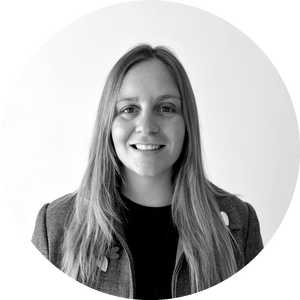
Dyslexia assessments at EGOLAB are carried out by Pilar Lozada, psychologist at our clinic in central Copenhagen, close to Nørreport Station. Pilar works in English and Spanish and has many years of experience with children, young people and adults across cultural backgrounds, with a particular focus on international families in Denmark.
She combines careful testing with feedback that parents and adults can act on: what the results mean, what to ask the school for, and what to do at home. Read Pilar's profile →
Pilar Lozada
Psychologist
Related services
See also
Tests and assessments
An overview of the tests and assessments we offer in English, for children, young people and adults.
Intelligence tests (WISC and WAIS)
A nuanced picture of cognitive strengths and challenges, often part of a broader assessment.
TOVA attention test
An objective, computer-based test of attention and impulse control, when attention difficulties may be part of the picture.
Child psychologist
Help for children, young people and families, from parent counselling to treatment.
Autism and neurodivergence
Signs, strengths and assessment of autism in children, young people and adults.
Psychologist in Copenhagen
Our clinic in central Copenhagen: the team, the address and how to find us.
FAQ
Frequently asked questions about dyslexia assessment
What is dyslexia?
A specific learning difficulty that makes it hard to read words accurately and fluently and to spell, usually because of a weakness in processing the sounds of language. It is neurobiological, it runs in families, and it has nothing to do with intelligence or effort.
At what age can a child be assessed?
From around age 7. Before that, reading instruction has not progressed far enough for a reliable conclusion, although early signs can be discussed and monitored. There is no upper age limit. Young people and adults are assessed in the same way, with tasks suited to their age.
Is a dyslexia test the same as a dyslexia assessment?
A short dyslexia test or screening can indicate a risk, but it cannot establish dyslexia or rule it out. A full assessment combines several measures with your history and gives a conclusion that schools, exam boards and employers can act on. When people ask us for a dyslexia test, this is what we offer.
Can the assessment be done online?
The initial conversation and the feedback session can be held online. The testing itself takes place at the clinic in Copenhagen, because several of the tasks depend on materials and timing that only work in person.
Is dyslexia related to intelligence?
No. Dyslexia occurs at every level of ability. Many dyslexic people are highly intelligent, and the gap between what they understand and what they can get down on paper is often what first raises the question.
What does the assessment involve, and how long does it take?
An initial conversation, around two to three hours of testing at the clinic, a written report and a feedback session. The testing covers reading, spelling, writing, phonological skills, memory and processing speed, and where relevant general ability. It is not an exam, and there is nothing to prepare apart from a good night's sleep.
Will the school or exam board accept the report?
The report is written to the standard that schools and exam boards expect: a clear conclusion, a profile of the results and concrete recommendations. Requirements vary between schools and boards, so check whether yours has a specific format or deadline, and tell us before we start.
Is the assessment available in English?
Yes. The whole process is in English, including the report. Pilar also works in Spanish, and bilingual children are assessed with their language background in mind.
My child has already taken the Danish dyslexia test. Do we need another assessment?
Not necessarily. The Danish national test gives a result on dyslexia in Danish, but it does not describe the broader profile, and international schools do not always accept it. If you need an English report, a second opinion or a wider assessment that includes attention and general ability, we can build on the existing result.
What does it cost, and do I need a referral?
No referral is needed. Prices are listed on our price page, and we confirm the price before we begin. The assessment is not covered by the Danish public health insurance. Private health insurance or an employer sometimes covers it.
Contact
Book a dyslexia assessment
Tell us briefly who the assessment is for, their age, which language you prefer, and what you need the report for. Choose Pilar L (Copenhagen) or Tests & Assessments as the recipient, and we will get back to you within 24 hours with available dates. You are also welcome to call us on +45 4245-4600.